 0
0
 0
0
Some purchases feel completely reasonable when you are about to make them.
You see a new phone, laptop, television, piece of furniture, appliance, or another expensive item. You have the money available, the product looks useful, and the thought of owning it feels exciting.
Then a few days later, the excitement disappears.
You start wondering whether you really needed it.
That does not mean every expensive purchase is a mistake. Sometimes spending more money is exactly the right decision. The problem is making a financial decision while your emotions are doing most of the work.
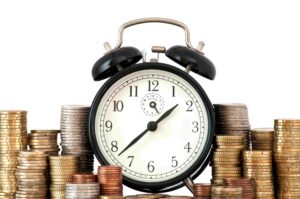
One simple habit can help: wait 24 hours before making a significant non-essential purchase.
The idea is not to make you afraid of spending money. It is to create enough space between wanting something and actually buying it.
What Is the 24-Hour Rule?
The 24-hour rule is a simple personal-finance habit: when you want to buy something that is not necessary immediately, you wait at least one full day before paying for it.
During that time, you do not have to convince yourself that you should never buy the item. Instead, you ask a few practical questions.
Do I actually need this?
Can I afford it without creating another problem?
Was this purchase already part of my plan?
What will I give up if I spend this money?
Would I still want it tomorrow if there were no sale or limited-time offer?
These questions turn a quick emotional decision into a more deliberate one.
Why Waiting Can Change the Decision
Shopping decisions are not always based on need.
Advertising, discounts, social media, recommendations from friends, and even a stressful day can influence what we want to buy. A product can suddenly feel urgent even when nothing about our actual situation has changed.
Waiting interrupts that process.
Imagine that you find a laptop priced at $1,200. You have $2,000 in your bank account, so technically you can pay for it.
At first, the purchase looks affordable.
But after waiting a day, you remember that you also planned to pay $600 for an upcoming expense. Now the same purchase looks very different.
The money was available, but it was not really free to spend.
That distinction is important.
Having money in an account does not automatically mean that all of it is available for discretionary spending.
The Difference Between Affording Something and Being Ready to Buy It

People often use the word “affordable” too loosely.
If you have enough money to complete a transaction, you can technically afford the transaction. But good financial decisions require a wider view.
For example, suppose someone has $3,000 in savings and wants to spend $2,000 on a new television and entertainment system.
They can make the purchase.
But what happens if their car needs an unexpected repair next month?
What happens if their income temporarily falls?
What happens if they have another important expense they forgot to include?
The purchase may be possible while still being financially uncomfortable.
A better question is not simply:
“Can I pay for this?”
It is:
“Can I pay for this and still remain financially prepared for the things I already know are coming?”
That question is much harder to ignore.
A Simple Test Before You Buy
After waiting 24 hours, use this five-question test.
| Question | What it helps you determine |
|---|---|
| Do I need it? | Separates necessities from wants |
| Did I plan for it? | Shows whether the purchase fits your priorities |
| Can I pay without borrowing? | Helps identify unnecessary debt |
| What upcoming expenses need this money? | Protects money needed elsewhere |
| Would I buy it without the discount? | Tests whether the sale is influencing you |
You do not need every answer to be “yes.”
The purpose is to understand the decision before making it.
When 24 Hours Is Not Enough
For smaller purchases, one day may be more than enough.
For very expensive purchases, however, 24 hours may not provide enough time.
A $50 purchase and a $5,000 purchase should not necessarily receive the same level of consideration.
For a major purchase, consider extending the waiting period to several days or even a few weeks.
The more important the purchase is to your financial situation, the more valuable a cooling-off period can become.
You might also compare several products, research alternatives, check the total cost of ownership, and consider whether the purchase affects another financial goal.
Look Beyond the Price Tag
The advertised price is not always the true cost of owning something.
Consider a car.
The purchase price is only one part of the decision. There may also be insurance, fuel, maintenance, registration, repairs and financing costs.
The same idea applies to other purchases.
A cheap printer may require expensive ink.
A low-priced appliance may consume more electricity.
A discounted piece of equipment may need accessories before it becomes useful.
A subscription may appear inexpensive each month but become surprisingly costly over several years.
Before buying something expensive, ask:
“What will this cost me after I own it?”
That question can reveal expenses that are easy to overlook when you are focused on the initial price.
Be Careful With “Limited-Time” Pressure
One of the biggest enemies of thoughtful spending is artificial urgency.
You may see messages such as:
- “Sale ends tonight.”
- “Only a few left.”
- “Last chance.”
- “Offer expires in hours.”
Sometimes these offers are genuine. But urgency should not automatically determine whether you buy something.
If you genuinely need the product and have already planned for the expense, a limited-time offer may be useful.
If you only want the product because the clock is counting down, waiting may reveal what is really happening.
A discount is not automatically a saving.
You do not save money by spending money on something you did not need.
What If the Purchase Is Actually Necessary?
The 24-hour rule is not designed to delay urgent necessities.
If your refrigerator stops working and you need a replacement immediately, waiting a full day may not be practical.
The same applies to essential repairs, urgent medical needs, required work equipment, or other situations where delaying a decision could create a bigger problem.
The rule is most useful for non-essential purchases where you have a genuine choice about when to buy.
That distinction keeps the habit practical rather than restrictive.
Try a “Why I Want This” Note
There is another simple trick that can make the waiting period more useful.
Before buying, write one sentence explaining why you want the item.
For example:
“I want this laptop because my current one is too slow for the work I do.”
That is different from:
“I want this laptop because it is the newest model.”
The first statement identifies a problem.
The second identifies a desire.
Neither is automatically wrong, but knowing the difference can make your decision clearer.
If you still have the same reason after 24 hours, the purchase may deserve further consideration.
If the reason suddenly sounds unconvincing, you may have just avoided an unnecessary expense.
A Purchase Should Fit Your Priorities
Money decisions become easier when purchases are connected to priorities.
Suppose your current financial priorities are building savings, reducing debt, and preparing for an upcoming move.
You then see an expensive gadget you would enjoy owning.
The question is not whether the gadget is good.
It may be excellent.
The question is whether buying it fits the priorities you have already chosen.
This is an important shift in thinking.
Personal finance is not about avoiding every enjoyable purchase. It is about deciding which purchases deserve a place in your financial life.
The Rule Is About Awareness, Not Deprivation

Some people hear advice about controlling spending and assume that personal finance means saying “no” to everything enjoyable.
It does not have to work that way.
A useful financial habit should help you spend intentionally, not make you feel guilty every time you buy something.
If you wait 24 hours, review your finances, consider the alternatives and still decide that the purchase is worthwhile, you can buy it with greater confidence.
You have not failed the rule.
You have used the rule successfully.
The goal is not to eliminate spending.
The goal is to eliminate unthinking spending.
A Simple Routine You Can Start Today
The next time you want to make a non-essential purchase, try this:
Step 1: Write down the price.
Do not rely on the excitement of the moment. Seeing the actual amount can change how the purchase feels.
Step 2: Wait 24 hours.
Do something else and give yourself time to think.
Step 3: Check your upcoming expenses.
Look at bills, planned purchases, debt payments, savings goals and other commitments.
Step 4: Compare alternatives.
Ask whether another product, a repair, a used item or simply keeping what you already own would make more sense.
Step 5: Make the decision without pressure.
If the purchase still makes sense, go ahead. If it does not, keep your money and move on.
The Bigger Lesson
The 24-hour rule may seem almost too simple to matter.
But personal finance is often shaped by small decisions repeated over time.
A single unnecessary purchase probably will not change your financial future.
Hundreds of unnecessary purchases can.
Likewise, delaying one purchase will not make someone wealthy. But developing the habit of pausing before spending can make it easier to protect savings, avoid unnecessary debt and keep money available for goals that matter more.
The most useful question before a major purchase may therefore not be “Can I afford it?”
Try asking:
“If I wait until tomorrow, will this still be a good decision?”
Sometimes the answer will be yes.
And sometimes that extra day will save you from spending money you were better off keeping.



Average Rating